Which types of link we record
| Type of link | Example | Where it is checked |
|---|
| Corporate | Two people share a company or a board position. | Company registries. |
| Contractual | A company receives contracts from a ministry or municipality. | Public procurement portals. |
| Financial | A payment, loan or transfer between parties. | Rulings, prosecutors' reports and verified leaks. |
| Political | A financier contributes to a campaign or a lawmaker switches blocs. | Electoral authorities and congressional records. |
| Family or personal | Kinship or a direct relationship with a public official. | Civil registries and sworn declarations. |
How we measure the strength of a link
Not all links carry the same weight. That is why we classify each one by its evidence:
- Documented: it appears in a public record or a court ruling.
- Declared: one of the parties or a witness acknowledges it before a court.
- Reported: an investigative report or a leak asserts it, without official confirmation.
We also distinguish between a lawful relationship and a conflict of interest. A former minister later working for a company in the sector they regulated, the so-called revolving door, may be legal and still deserve scrutiny.
The tools for following the money and the partners
Shell companies and offshore entities are often used to hide the beneficial owner, that is, the person who truly controls a company. That is why we cross-check national company registries with international databases, such as the Offshore Leaks published by the International Consortium of Investigative Journalists.
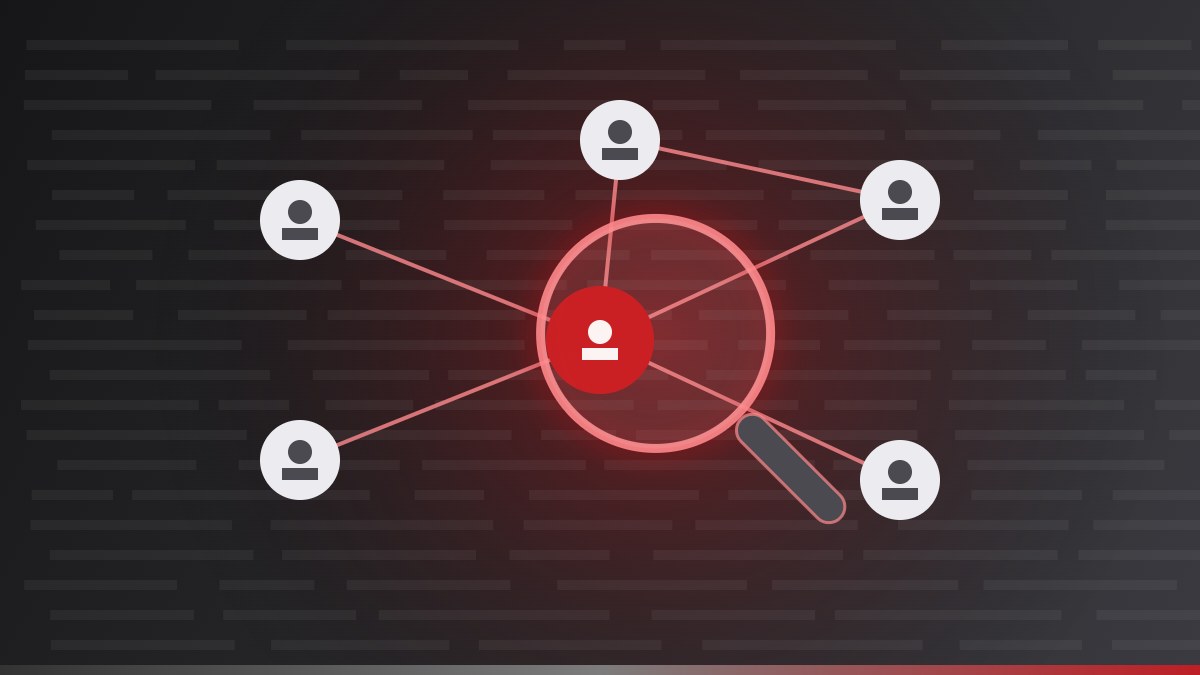
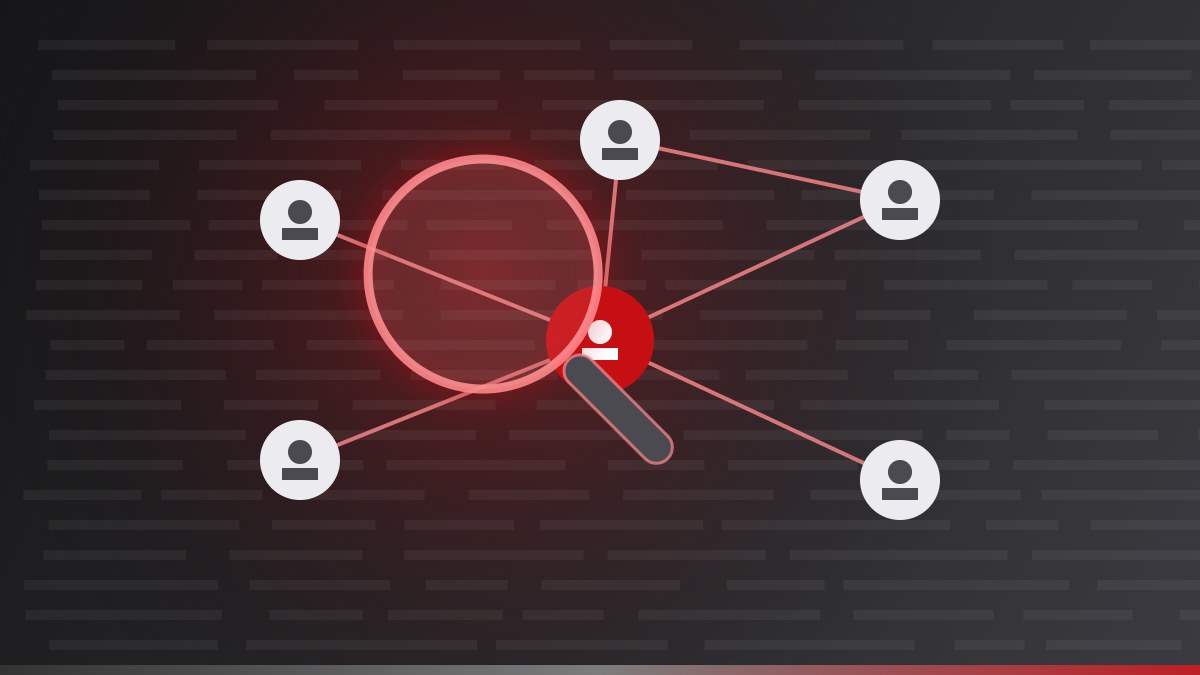
For example, the map of Zapatero's network in the Plus Ultra case shows who is who, what money connects each name and what has been proven about each link.
Networks by country
Where to follow each case across the network
Frequently asked questions
Is a link between a politician and a company a crime?
No. Many links are lawful. What we analyse is whether there is a conflict of interest, whether the relationship was declared and whether it coincides with contracts, payments or public decisions.
What is the revolving door?
It is the movement of people between public office and companies in the sector they regulated or contracted with. It can be legal, but it creates a risk of conflicts of interest.
What is a beneficial owner?
It is the natural person who ultimately owns or controls a company, even if they do not appear in its records. Shell companies are often used to hide them.
How do you show whether a link is proven?
Each link carries a label: documented, if it appears in a record or ruling; declared, if a party or witness acknowledges it; and reported, if only an investigation or a leak asserts it.
Last updated: November 19, 2026. Records in this section: 3.