Why it matters who judges
Judicial independence decides the fate of major corruption cases. An attorney general can push an investigation forward or shelve it. A court can confirm a conviction or annul it over a procedural defect. That is why this section analyses how each authority reached office, how long the term lasts and what decisions it has taken in sensitive cases.
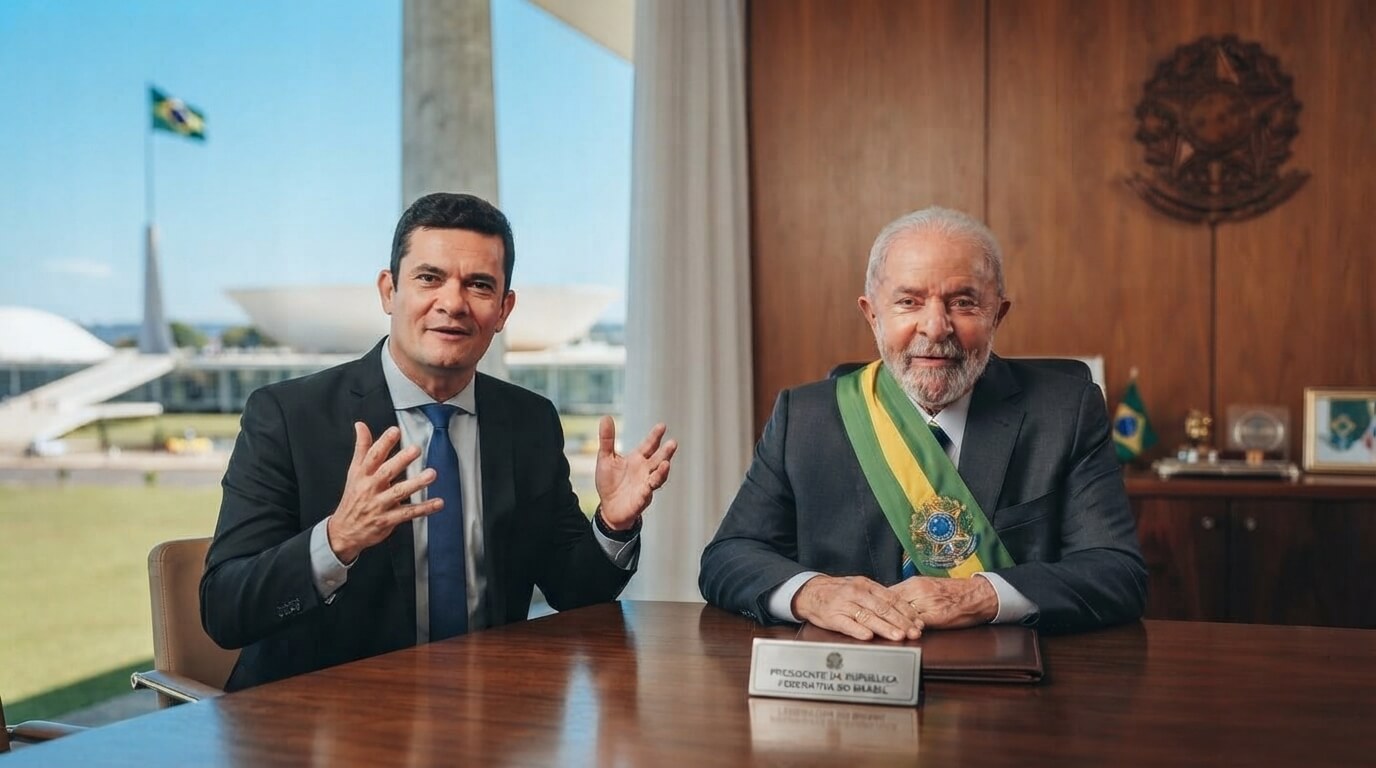
Brazil offers a clear example. In 2021, the Supreme Federal Court ruled that Judge Sergio Moro had been biased in Lula da Silva's triplex case. The Sergio Moro timeline explains what that decision means and what happened to the former judge afterwards.
How justice officials are chosen in Guatemala
Guatemala uses nominating commissions for almost every key post in its justice system. These commissions, made up of judges, law school deans and representatives of the Bar Association, propose closed lists of candidates.
| Post | Who chooses | Term |
|---|
| Attorney General and head of the Public Ministry | The president, from a list of six candidates proposed by a nominating commission. | 4 years |
| Supreme Court of Justice judges (13) | Congress, from a list proposed by a nominating commission. | 5 years |
| Constitutional Court judges (5 regular members) | The Supreme Court, Congress, the president, the University of San Carlos Higher Council and the Bar Association, one each. | 5 years |
| Comptroller General | Congress, from a list of six candidates proposed by a nominating commission. | 4 years |
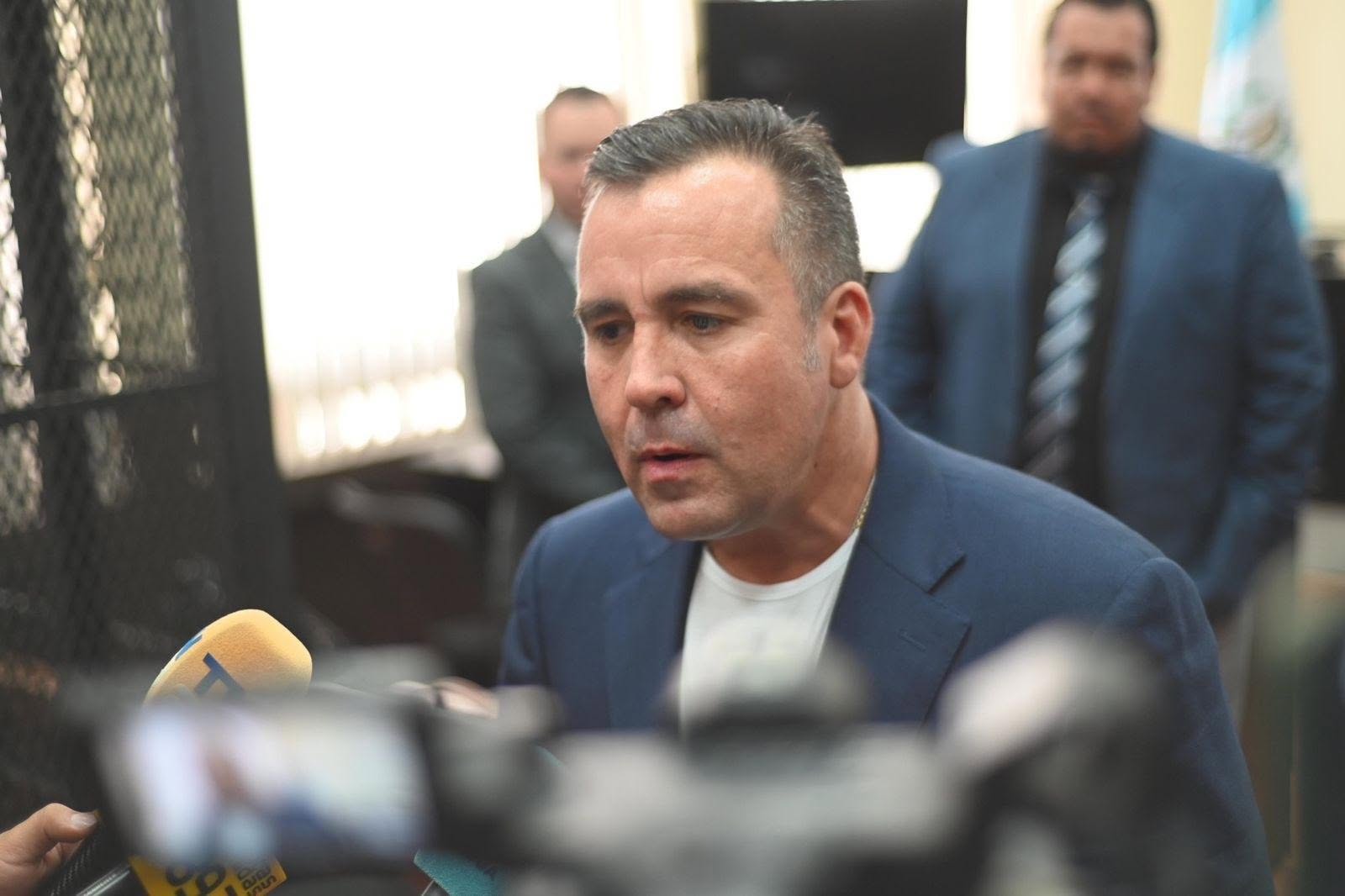
For example, the Alejandro Sinibaldi timeline shows how a 2026 Constitutional Court decision shaped the closure of his cases.
How they are chosen elsewhere in the region
| Country | How the prosecutor or judges are chosen |
|---|
| Colombia | The Supreme Court of Justice elects the Attorney General from a shortlist of three proposed by the president, for four years. |
| Peru | The National Board of Justice appoints and evaluates judges and prosecutors; the Board of Supreme Prosecutors elects the Attorney General. |
| Mexico | After the 2024 judicial reform, judges and magistrates are chosen by popular vote; the first election was held in 2025. |
| Brazil | The president appoints the Prosecutor General of the Republic, subject to Senate approval, for two years. |
What an antejuicio is
An antejuicio is a procedural protection held by certain public officials in Guatemala, such as members of Congress, judges and the president. Before they can be prosecuted, another body, Congress or the Supreme Court depending on the post, must decide whether there are grounds to lift that protection. A rejected antejuicio is not an acquittal: it only prevents the criminal case from moving forward for now.
Cases by country
Where to follow each case across the network
On this site, see also the timelines in Cases of Corruption.
Frequently asked questions
Who chooses Guatemala's Attorney General?
The president of the Republic chooses the Attorney General from a list of six candidates proposed by a nominating commission. The term lasts four years.
What is a nominating commission?
It is a body made up of judges, law school deans and representatives of the Bar Association. It evaluates applicants and proposes closed lists for posts such as Attorney General, Supreme Court judges or Comptroller General.
What is an antejuicio?
It is a procedural protection for certain public officials. Before they can be prosecuted, Congress or the Supreme Court, depending on the post, decides whether there are grounds to lift that protection. Rejecting it is not an acquittal.
Why can a court annul a corruption conviction?
Because the proceedings had a legal defect, such as the court lacking jurisdiction or the judge being biased. In those cases, the court rules not on the facts but on the validity of the proceedings.
Last updated: November 19, 2026. Records in this section: 7.